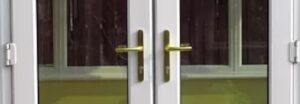
Exterior Door Handle Repair: A Comprehensive Guide
Exterior door handles work as the entrance to homes and organizations, offering both function and visual appeal. In time, wear and tear, ecological factors, and general usage can take a toll on these necessary components. Acknowledging when a door handle needs repair, comprehending the various kinds of repairs required, and understanding how to complete them can conserve homeowners time and cash. This article offers a comprehensive guide to exterior door handle repair, giving readers the understanding they need to address common issues efficiently.
Common Problems with Exterior Door Handles
Before delving into repair techniques, it's crucial to recognize the most common problems come across with exterior door handles:
- Loose Handles: Over time, screws might loosen, triggering the handle to wobble or end up being ineffective.
- Sticking Handles: Environmental factors, dirt, or a misalignment of the door can trigger the handle to stick.
- Broken Mechanism: The internal mechanism that connects the handle to the latch may break, rendering the handle unusable.
- Rust or Corrosion: Metal handles can suffer from rust, especially if exposed to moisture or humid environments.
- Surface Damage: Scratches, dents, or paint peeling from the handle can diminish the appearance and performance of the door.
- Secret Issues: Sometimes, problems extend beyond the handle itself and involve issues with cylinder locks or essential mechanisms.
Tools and Materials Needed for Repairs
Successful exterior door handle repair requires a set of tools and materials, which may differ based upon the specific concern. Below is a list of vital products for most repair jobs:
Tools
- Screwdriver: A flathead and Phillips screwdriver for eliminating screws.
- Allen Wrench: Needed for handles secured with hex screws.
- Pliers: Useful for grasping and twisting persistent screws or components.
- Utility Knife: For scraping away paint or debris if essential.
- Drill: In case new holes need to be drilled.
Products
- Replacement screws: If existing screws are stripped or broken.
- Lubrication (like WD-40): To lower friction in sticking handles.
- Replacement parts: Depending on the issue, this might include a completely brand-new handle or internal mechanism.
- Sandpaper or steel wool: For cleaning rust or surface damage.
- Paint or spray covering: To retouch the handle's look if needed.
Step-by-Step Repair Guide
Action 1: Identify the Issue
Before beginning any repair, evaluate the handle's condition. Is it loose, sticking, or broken? Knowing the precise problem will assist the repair process.
Step 2: Gather Necessary Tools and Materials
Once the concern has been determined, collect all required tools and products to prevent disruptions throughout the repair procedure.
Step 3: Remove the Handle
- Utilize a screwdriver or Allen wrench to get rid of screws holding the handle in place.
- Carefully detach the handle from the door, taking care not to damage the door surface area.
Step 4: Inspect and Clean
- Examine the removed handle and the mounting location for any indications of wear, damage, or rust.
- Tidy the handle with a degreaser, and utilize sandpaper or steel wool to get rid of rust if suitable.
Step 5: Address the Specific Problem
- Loose Handle: Tighten the screws. If they are stripped, replace them with new screws that fit properly.
- Sticking Handle: Lubricate the mechanism and guarantee that the door is appropriately lined up with the frame. Consider adjusting the hinges if required.
- Broken Mechanism: Replace the broken parts. Numerous door handle kits are available at hardware stores that include replacement parts.
- Rust or Corrosion: Treat the impacted areas with rust eliminator, then repaint or reseal the handle for security.
- Surface Damage: Touch up with paint or refinish the surface area to restore its look.
Step 6: Reassemble the Handle
Once repairs are completed, reattach the handle to the door. Ensure all screws are tightened up correctly.
Action 7: Test the Handle
After reassembly, test the handle to confirm it operates smoothly and effectively. Make certain to attempt locking and opening if applicable.
Step 8: Regular Maintenance
To extend the life of exterior door handles, routine maintenance is important. This consists of:
- Inspecting for rust and cleaning occasionally.
- Oiling moving parts every few months.
- Tightening up screws as needed.
Frequently Asked Questions About Exterior Door Handle Repair
Q1: Can I repair my door handle without changing it?
A1: Yes! Many issues with door handles, like loose screws or sticking systems, can be fixed without the need for replacement. Regular maintenance can likewise lengthen the life of your handle.
Q2: What if my door handle keeps getting loose?
A2: If your handle continues to get loose, look for stripped screws and replace them. Additionally, consider using thread-locking adhesive to secure screws more effectively.
Q3: How do I avoid rust on my door handle?
A3: Keep the handle clean and dry, especially in damp environments. Using a protective coating or paint can also help avoid rust.
Q4: When should I think about replacing my door handle?
A4: If the handle is significantly harmed, rusted beyond repair, or if the internal mechanism stops working consistently, it might be time to think about a replacement.
Q5: Are all door handles the same?
A5: No, door handles can be found in numerous designs, sizes, and systems. It's vital to select a replacement that matches the existing handle's requirements for correct function.
Exterior door handle repair might seem difficult, but with the right tools and understanding, the majority of homeowners can effectively address common issues on their own. By comprehending the types of problems that can arise, understanding how to detect and repair them, and following a regular maintenance regimen, individuals can guarantee their door handles remain functional and attractive for years to come. In 24/7 door handle repair , preserving a proactive approach to minor repairs can avoid more significant issues down the line, ultimately saving time and money.